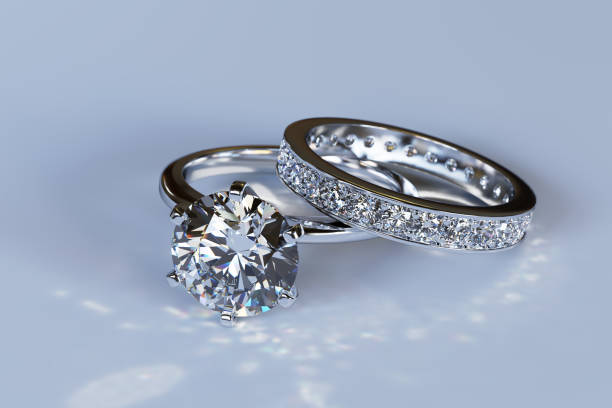
When it comes to creating a piece of custom jewelry, selecting the right jeweler is one of the most important decisions you’ll make. A skilled and trustworthy jeweler can transform your vision into a stunning piece that reflects your style, story, and personality. To help you make an informed choice, here are key considerations and essential questions to ask before committing to a jeweler for your custom project.
Why Choosing the Right Jeweler Matters
- High-quality craftsmanship that stands the test of time.
- Ethical sourcing of materials.
- Personalized service tailored to your preferences.
- A collaborative process where your vision is brought to life.
Without due diligence, you risk working with someone who may not meet these standards, leading to dissatisfaction with the final product or potential issues with quality.
Key Questions to Ask Your Jeweler
- Look for jewelers with extensive experience in creating bespoke pieces.
- Ask for examples of past work or a portfolio showcasing their designs.
- Confirm whether they use conflict-free diamonds or responsibly sourced gemstones and metals.
- Request information about certifications like Kimberley Process Compliance for diamonds or Fairmined Gold standards.
- Understanding how they approach design will give you insight into their methods and communication style.
- Look for clear steps such as sketching concepts, CAD renderings, wax models, and final production phases.
- Ensure there’s protection against defects in craftsmanship or materials after purchase.
- Explore options for resizing or adjustments if needed later on.
- Timelines vary depending on complexity; having clarity on delivery dates is crucial if you’re planning around special occasions.
- A reputable jeweler should provide a detailed breakdown of costs upfront, including materials, labor, and any additional fees.
Traits to Look For in a Jeweler
- Clear Communication: They should listen carefully to your ideas while offering professional guidance.
- Reputation: Check online reviews or testimonials from previous clients.
- Certifications: Jewelers who hold credentials (e.g., from GIA—Gemological Institute of America) demonstrate expertise in gemstones and design principles.
- Transparency: Open conversations about costs and processes reflect integrity.
| Feature | Why It Matters | What To Look For |
| Experience | Ensures skillful execution | Portfolio showcasing similar projects |
| Material Sourcing | Aligns with ethical values | Conflict-free certification |
| Craftsmanship | Impacts durability and aesthetics | Warranty/guarantee policies |
| Communication | Builds trust during collaboration | Responsive and thorough interaction |
Final Thoughts
Choosing the perfect jeweler ensures that every stage of your custom design journey is seamless—from conceptualization to final delivery. Asking targeted questions allows you to gauge their skills, commitment, and approach before trusting them with this significant endeavor. Remember: finding the right partner for your project is as valuable as the masterpiece itself.
Discover the Finest Jewelry Collections with Jewelers in Orange County CA
When it comes to selecting the perfect piece of jewelry, the sheer variety of choices can feel overwhelming. However, shopping for jewelry becomes much easier when you approach it through specific lenses such as style, tradition, and elegance. By understanding what each category offers, you can make a more informed decision that aligns with your tastes and values.
Discover Wedding Rings in Orange County CA by Style
- Classic: Timeless pieces such as solitaire diamond rings, pearl necklaces, or gold bangles that never go out of fashion.
- Modern: Sleek designs with minimalist aesthetics featuring geometric shapes or experimental materials like mixed metals.
- Vintage: Heirloom-inspired pieces that reflect historical eras such as Art Deco or Victorian design.
- Bohemian: Free-spirited designs often showcasing colorful gemstones and unique patterns.
Matching your personal style to a specific category allows you to curate a collection that feels uniquely yours while complementing your wardrobe effortlessly.
Discover Stunning Engagement Rings in Orange County CA
| Tradition | Example Pieces | Significance |
| Indian | Kundan necklaces, jhumka earrings | Traditional Indian weddings and celebrations |
| Celtic | Claddagh rings, knot motifs | Symbolizes friendship, loyalty, and love |
| Middle Eastern | Gold filigree bracelets | Embodies wealth and cultural artistry |
| Religious | Cross pendants, Star of David necklaces | Represents faith and spiritual devotion |
Choosing jewelry steeped in tradition adds depth and meaning to your collection while celebrating your roots or values.
Discover Trusted Jewelry Buyers Orange County CA
- Platinum settings
- High-quality diamonds
- Lustrous pearls
- Simple stud earrings
- Tennis bracelets adorned with uniformly cut stones
- Inspect details like stone placement and finishing touches for flawless presentation.
Elegant pieces often serve as versatile staples suited equally well to formal events or everyday wear.
Finding the Best Jewelry Sellers in Orange County CA
To build a cohesive collection that stands out yet feels personal: – Mix modern styles with traditional influences (e.g., a contemporary diamond necklace paired with vintage-inspired earrings). – Select versatile statement pieces combining elegance with meaning (such as an engraved charm bracelet). – Invest in quality over quantity—prioritizing craftsmanship ensures longevity for every selection.
By shopping thoughtfully across the dimensions of style, tradition, and elegance, you’ll find jewelry that resonates with your personality while standing the test of time.
Understanding the Difference Between Lab Diamonds and Natural Diamonds for Your Next Purchase
When purchasing a diamond, one of the most important decisions you’ll face is whether to choose a lab-grown diamond or a natural diamond. Each option has its own distinct characteristics, and understanding their differences can help you make an informed decision that aligns with your values, budget, and preferences.
What Are Lab-Grown Diamonds?
Lab-grown diamonds are man-made diamonds created in a controlled laboratory environment. They have essentially the same physical, chemical, and optical properties as natural diamonds. These gems are cultivated using advanced technology that replicates the conditions under which natural diamonds form deep within the Earth over billions of years.
Key features of lab-grown diamonds include: – Chemical Composition: Identical to natural diamonds (carbon atoms arranged in a crystal lattice structure). – Appearance: Visually indistinguishable from natural diamonds without specialized equipment. – Sustainability: Typically considered more environmentally friendly due to the reduced environmental impact during production. – Cost: Generally 30-40% less expensive than natural diamonds of comparable size and quality.
What Are Natural Diamonds?
Natural diamonds are formed over billions of years under intense pressure and heat within the Earth’s mantle. They are then brought closer to the surface through volcanic activity, where they are mined.
Key features of natural diamonds include: – Rarity: Their long formation process makes them inherently rare and highly valued. – Historical Significance: Often associated with timeless beauty and tradition. – Value Retention: Natural diamonds tend to hold their resale value better than lab-grown alternatives.
Comparing Lab-Grown vs. Natural Diamonds
| Feature | Lab-Grown Diamonds | Natural Diamonds |
| Formation Process | Created in a laboratory | Formed naturally over billions of years |
| Chemical Composition | Pure carbon | Pure carbon |
| Sustainability | More sustainable production methods | Mining can have significant environmental impact |
| Price | Lower cost | Higher cost due to rarity |
| Resale Value | Limited | Higher resale potential |
Key Factors to Consider When Choosing
- Budget: If affordability is your primary concern, lab-grown diamonds offer similar beauty at a lower price point.
- Sustainability: For eco-conscious buyers looking for ethical sourcing, lab-grown options may be more appealing.
- Sentimental Value: Some buyers prefer the timeless allure and uniqueness of naturally formed gems.
- Resale Potential: If long-term value is important, natural stones may be more advantageous.
Common Questions About Lab-Grown vs. Natural Diamonds
- Can anyone tell if my diamond is lab-grown?
No—lab-grown and natural diamonds are identical in appearance unless inspected by specialized gemological equipment. - Do lab-created stones lose value quicker?
Yes, because they lack rarity compared to natural stones, lab-created gems typically do not retain their resale value as well. - Are lab-grown options ethically sourced?
Yes—since they don’t require mining, they’re often considered more ethical than some mined stones.
By carefully weighing these differences and aligning them with your personal preferences and needs, you can confidently choose between a stunning lab-created or naturally formed diamond for your next jewelry purchase.
Key Questions to Ask Your Jeweler About Materials and Quality When Designing Custom Jewelry
When designing a piece of custom jewelry, choosing the right jeweler is crucial. An experienced jeweler will not only guide you through the design process but also ensure that your piece is crafted with high-quality materials and exceptional craftsmanship. Knowing which questions to ask your jeweler can make a significant difference in achieving a stunning final product while giving you confidence in your investment.
What Types of Metals Do You Offer for Custom Jewelry?
- Gold: Available in yellow, white, and rose variations, gold comes in different purities (10K, 14K, 18K, or 22K). Discuss which purity is best for durability and aesthetic preferences.
- Platinum: Renowned for its durability and hypoallergenic properties.
- Silver: A more affordable yet elegant option.
- Alternative Metals: Some jewelers offer less conventional metals like titanium or palladium.
This conversation helps you understand how each metal complements your design from both an aesthetic and practical standpoint.
Are the Gemstones You Use Ethically Sourced?
Knowing where gemstones come from is important not only for ethical reasons but also for understanding their quality. Ask if the jeweler sources gems responsibly and whether they have certifications like Kimberley Process Compliance for diamonds or fair-trade approval for colored gemstones. This ensures you are investing in materials that align with ethical practices.
Can You Explain the Differences Between Lab-Grown and Natural Diamonds?
| Feature | Lab-Grown Diamonds | Natural Diamonds |
| Origin | Grown in controlled labs | Mined from the earth |
| Cost | Typically more affordable | Higher price point |
| Environmental Impact | Fewer environmental effects | Higher environmental impact |
| Visual Appearance | Identical visually | Unique inclusions possible |
By understanding these differences, you can make an informed decision based on budget priorities and personal values.
What Guarantees or Warranties Do You Provide?
- Warranty coverage on craftsmanship defects.
- Policies on repairing loose stones or damaged settings.
- Maintenance services such as cleaning or polishing.
A reliable jeweler will offer clear terms that give peace of mind about protecting your purchase over time.
How Do You Ensure Durability?
- What types of settings do you recommend to prevent stones from loosening?
- How do you ensure metal strength during crafting?
- Do you perform stress testing on finished pieces?
These queries help gauge how well your custom jewelry will hold up under regular wear.
Can I See Examples of Your Past Work?
Reviewing a jeweler’s portfolio offers insight into their expertise. Look specifically at designs similar to what you’re envisioning—whether intricate details or minimalist styles—and assess their craftsmanship quality before moving forward.
When designing custom jewelry, asking key questions about materials, sourcing practices, durability measures, and warranties ensures both quality and transparency throughout the process. By collaborating closely with an experienced jeweler who values these aspects as much as aesthetics, you’ll create a timeless piece tailored uniquely to you.

Key Questions to Ask Your Jeweler About Materials and Quality When Designing Custom Jewelry
When embarking on the journey to design custom jewelry, selecting the right jeweler is only part of the process. Asking the right questions about materials and craftsmanship ensures that your investment is worthwhile. This guide outlines essential questions to ask your jeweler about materials and quality, helping you navigate the process confidently.
What Types of Metals Do You Offer?
- Gold: Inquire about karat options (e.g., 14K vs 18K) and whether they offer yellow, white, or rose gold.
- Platinum: Check for its hypoallergenic properties and suitability for long-term wear.
- Palladium or Titanium: Explore lightweight and durable modern alternatives.
- Sterling Silver: Ask if this affordable option makes sense for your design.
Additionally, confirm if the metals are certified or sustainably sourced.
Are Your Gemstones Ethically Sourced?
- Do you provide certification for gemstones (e.g., GIA or AGS grading reports)?
- Are stones sourced through conflict-free processes?
- Can you trace the origin of specific materials?
By ensuring transparency in sourcing practices, you can feel confident about the ethical integrity of your custom piece.
What Should I Know About Durability?
- How scratch-resistant is the metal I’m considering?
- Are there any gemstones that require special care due to their softness (e.g., opals or emeralds)?
- Will protective settings be used for softer stones?
A knowledgeable jeweler should guide you based on how frequently you plan to wear your jewelry.
What Quality Assurance Measures Do You Follow?
- Do you conduct quality checks during each stage of production?
- Is there a warranty provided for workmanship defects?
- Can adjustments be made after completion if imperfections arise?
A jeweler with robust quality assurance policies provides peace of mind that their craftsmanship meets professional standards.
Do You Work with Recycled Materials?
For eco-conscious buyers, recycled metals can offer an environmentally friendly alternative without compromising quality. Ask if your jeweler works with recycled gold, silver, or platinum—and whether they can incorporate sentimental elements like family heirlooms into your design.
Summary Table: Questions at a Glance
| Question | Why It Matters |
| What types of metals do you offer? | Helps determine durability and preference |
| Are gemstones ethically sourced? | Ensures responsible and conflict-free practices |
| How durable will my design be? | Prevents damage based on usage |
| What quality checks are in place? | Guarantees professional standards |
| Do you use recycled materials? | Encourages sustainable production methods |
Asking these key questions not only protects your investment but also ensures that every detail aligns with your vision for a one-of-a-kind creation. The answers will reveal much about a jeweler’s expertise, ethics, and commitment to delivering exceptional results tailored to your needs.
Discovering the Design Process: How Your Vision Becomes a Stunning Piece of Custom Jewelry
The creation of custom jewelry is a fascinating process that takes your unique ideas and transforms them into a tangible, breathtaking piece. Partnering with a jeweler who understands your vision is essential to ensure the final product aligns with your expectations. Here’s an overview of the design process and what you can expect at each stage.
1. Initial Consultation: Transforming Ideas Into Concepts
The journey begins with an in-depth consultation between you and your jeweler. This step is crucial for understanding your preferences, style, and budget.
- Discuss Your Vision: Share inspirations from photos, drawings, or even specific themes you’d like incorporated into the piece.
- Understand Budget Constraints: Outline a clear budget to ensure material selection and design decisions align with what you’re comfortable spending.
- Explore Jewelry Types: Decide whether you’re creating a ring, necklace, earrings, or bracelet.
Questions to Ask During This Step: – What materials would work best for my design idea?
– Can I incorporate heirloom pieces or gemstones into my custom jewelry?
2. Sketching and Concept Development
Once your ideas are captured, the jeweler translates them into preliminary sketches or digital renderings. This step ensures that both parties are aligned before production begins.
Key Components of This Phase: – Hand Sketches vs. CAD Designs: Some jewelers will hand-sketch designs, while others may offer sophisticated CAD (Computer-Aided Design) renderings for more accurate visuals. – Adjustments Based on Feedback: You’ll have opportunities to make changes to ensure every detail matches your vision.
Advantages of CAD Renderings: | Feature | Benefit | |—————————–|——————————| | Precise Measurements | Ensures proper fit | | 3D Visualizations | Provides realistic previews | | Easy Adjustments | Simplifies revisions |
3. Material Selection and Sourcing
Choosing the right materials is critical to creating a durable and beautiful finished piece.
- Gemstones: Decide between lab-grown diamonds, natural diamonds, or colored gemstones like sapphires and rubies.
- Metals: Common options include platinum, gold (yellow, white, rose), or mixed metals for a distinctive look.
- Ethical Considerations: Many jewelers offer ethically sourced materials—something worth asking about if sustainability matters to you.
4. Crafting and Production
After finalizing the design details and selecting materials, expert artisans begin crafting your custom piece.
Steps Involved in Production: 1. Casting the metal base using molds created from your design. 2. Setting stones securely using techniques like prong settings or bezel settings. 3. Polishing and finishing touches to enhance sparkle and elegance.
Production times vary depending on complexity but typically range from 2–6 weeks.
5. Final Presentation and Adjustments
- Inspect all details closely—stone placement, metal quality, engraving (if applicable).
- Ensure proper sizing for rings or wearable comfort for other pieces.
Many jewelers offer complimentary adjustments within the first few weeks if needed.
Custom jewelry is more than just an accessory; it’s a reflection of personal style blended beautifully with craftsmanship. Each stage of this meticulous process works toward delivering not only an item but also a lasting memory encapsulated in precious metals and stones tailored uniquely for you.
Selling Old Jewelry Made Easy: In-Person Options and Mailing Gold for Cash
When it comes to selling old jewelry, the process can feel overwhelming. However, with the right guidance and understanding of your options, turning your unused pieces into cash can be a simple and efficient endeavor. Below, we explore two primary methods—selling in-person and mailing your gold or other precious metals—and outline key considerations for each approach.
Benefits of Selling Jewelry In-Person
- Immediate Payment: Most in-person transactions offer instant cash or check payments after an evaluation.
- Face-to-Face Valuation: A qualified jeweler or precious metal dealer can assess your jewelry’s value in real-time, walking you through the appraisal process.
- Opportunity for Negotiation: You often have room to negotiate pricing based on demand or market trends.
- Trustworthy Relationships: Local jewelers or reputable gold buyers can provide a sense of trustworthiness since they are part of your community.
| Option | Description |
| Local Jewelers | Many jewelers purchase used gold, diamonds, or vintage pieces directly. |
| Pawn Shops | A quick option for cash; however, offers may be lower due to resale margins. |
| Precious Metal Buyers | Specialize in buying gold/silver based on weight and current market value. |
Tips for Selling In-Person
- Research local businesses to ensure they are reputable.
- Request certifications from appraisers to confirm their expertise.
- Familiarize yourself with current gold and gemstone prices beforehand.
Mailing Gold for Cash: A Convenient Alternative
For those who prefer not to visit a store physically, mailing your jewelry offers a hassle-free way to sell from the comfort of your home. Many companies specialize in this service and provide secure processes for shipping and payment.
How It Works:
- Request a Mailer Kit: Reputable companies will send you an insured envelope designed specifically for shipping valuable items.
- Ship Your Jewelry: Securely package your items using their instructions.
- Receive an Offer: Once received, they evaluate your jewelry and present an offer based on weight and material quality.
- Accept or Decline: If satisfied with the offer, payment is processed promptly; otherwise, items are returned at no cost.
Advantages:
- Convenience—ideal if you’re unable to visit physical locations.
- No upfront costs as companies typically cover shipping fees.
- Insured shipping provides peace of mind during transit.
Questions to Ask Before Mailing Gold
- What insurance coverage is included?
- How is my jewelry evaluated (e.g., by weight vs design)?
- What happens if I decline their offer? Are there return fees?
Comparing The Two Methods
| Feature | Selling In-Person | Mailing Gold |
| Speed | Immediate payment | Payment takes 3–7 business days |
| Convenience | Requires visiting local stores | Done entirely from home |
| Insurance | Not always applicable | Items typically insured during transit |
| Pricing Transparency | Can negotiate face-to-face | May have limited ability to discuss valuation |
Final Considerations
Whether you choose an in-person option or decide to mail your gold depends largely on personal preferences like convenience and immediacy of payment. To maximize value, always research buyers thoroughly, compare multiple offers when possible, and stay informed about current market conditions for precious metals like gold or silver.
By taking these steps and leveraging trustworthy services near you or online platforms that prioritize customer satisfaction, selling old jewelry can become a seamless way to declutter while unlocking financial value from unused possessions.
- Finding the Ideal Jeweler for Wedding Rings Orange County CA
- Finding the Best Jewelry Store in Orange County CA for Your Custom Design Project: Key Questions to Ask
- How to Find a Trustworthy Jeweler for Wedding Rings in Orange County CA
- Essential Questions to Ask Before Buying Jewelry from a Jewelry Store in Orange County CA
- A Complete Guide to Choosing the Perfect Jewelry Store in Orange County CA
- Essential Tips for Buyers from Jewelers Orange County CA: How to Spot Quality Jewelry Online
