Finding the Ideal Jeweler for Wedding Rings Orange County CA

Finding the ideal jeweler is a crucial step in ensuring your jewelry purchases meet your expectations in terms of quality, value, and personal taste. Whether you’re looking for an engagement ring, a custom-designed piece, or a timeless heirloom, the right jeweler can make all the difference. Here’s a detailed guide to help you identify the perfect jeweler to suit your unique needs.

Consider Their Expertise and Experience

When choosing a jeweler, expertise and experience are top priorities. Look for professionals with extensive knowledge of gemstones, metals, and jewelry design. It’s also helpful to determine how long they’ve been in business—this can be an indicator of their reputation and reliability.

Questions to ask:
– How many years have they been in the jewelry industry?
– Do they specialize in particular types or styles of jewelry?
– Are their staff members certified gemologists or trained artisans?

Assess Their Selection and Customization Options

A good jeweler will provide both a wide selection of ready-made pieces as well as opportunities for customization. This ensures that you’ll find something that aligns with your personal preferences while allowing room for creativity if you wish to design something unique.

What to look for:
– A diverse inventory featuring rings, necklaces, earrings, bracelets, and more.
– The ability to create custom designs tailored specifically to your requirements.
– Access to high-quality gemstones such as diamonds, sapphires, emeralds, etc.

Feature Ready-Made Jewelry Custom Jewelry
Flexibility Pre-designed options Fully personalized pieces
Time Required Immediate purchase Weeks/months depending on complexity
Uniqueness Limited One-of-a-kind

Verify Credentials and Certifications

Trustworthiness is key when selecting a jeweler. Reputable jewelers often belong to professional organizations or hold certifications that demonstrate their commitment to ethical practices and high standards of craftsmanship.

Certifications & Memberships:
– GIA (Gemological Institute of America) certification for diamonds/gemstones.
– Memberships with Jewelers of America (JA) or similar industry bodies. – Accreditation by BBB (Better Business Bureau) signaling trustworthiness.

Pay Attention to Reviews and Testimonials

Customer reviews provide valuable insights into what you can expect from working with a particular jeweler. Look at online reviews on platforms like Google or Yelp as well as testimonials on the store’s website.

Things to look out for: – Patterns of positive feedback about customer service. – Comments on product quality or attention-to-detail. – Negative reviews that highlight any recurring issues.

Evaluate Customer Service

A great jeweler values customer relationships just as much as their craftmanship. Pay attention during consultations—are they listening carefully? Do they offer guidance without being overly pushy? Exceptional service includes transparency in pricing too.

Key markers: – Clear communication about costs upfront. – Willingness answer questions about materials/design options etc

Finding the Best Jewelers in Orange County CA for Your Perfect Pieces

Choosing the right jeweler is one of the most important steps in ensuring your jewelry shopping experience is smooth, satisfying, and tailored to your needs. Whether you’re looking for a dazzling engagement ring, a special anniversary piece, or custom-designed jewelry, the right jeweler can make all the difference between an ordinary purchase and an extraordinary one. Below are key reasons why finding a trusted jeweler matters and how it impacts your experience.

Personalized Attention and Expertise in Engagement Rings Orange County CA

A reputable jeweler offers personalized guidance that helps you make an informed decision. Jewelry is not just about aesthetics; it involves understanding gemstones, metals, craftsmanship, and design. An experienced jeweler will:
Educate you about gemstones: Explain differences in cut, clarity, carat weight, and color for diamonds or other stones.
Advise on metal choices: Help you choose between gold (yellow, white, or rose), platinum, or silver depending on durability and style preferences.
Guide customizations: Assist with creating bespoke pieces that reflect your vision while maintaining quality standards.

This level of expertise ensures you walk away with a piece that aligns with your personal taste and holds long-term value.

Trusted Jewelry Buyers in Orange County CA

jewelrystoreorangecountyca.com

Trustworthy jewelers will stand by the quality of their products through certifications and guarantees. This includes: | Certification Type | What It Covers | Why It Matters | |—————————–|————————————-|—————————————-| | Gemstone Certification | Authenticity of diamonds/gemstones | Ensures ethical sourcing & value | | Craftsmanship Warranty | Workmanship guarantee | Protects against manufacturing defects | | Metal Purity Stamp | Verification of karatage (e.g., 18k)| Confirms genuine material composition |

Quality assurance safeguards your investment while giving you peace of mind about the authenticity and durability of what you’re purchasing.

Fostering Trust with Jewelry Sellers Orange County CA

The right jeweler isn’t just someone who sells you a piece of jewelry—they become a trusted advisor for all future purchases and repairs. Look for someone who values building relationships over making one-time sales by offering services such as: – Regular cleanings to maintain sparkle. – Jewelry resizing or repairs for wear-and-tear. – Trade-in options if upgrading pieces later becomes desirable.

Establishing this connection can lead to exclusive benefits like early access to new collections or promotions.

Ethical Practices Matter

Ethical sourcing has become increasingly important in today’s market as customers want assurance their purchases align with responsible practices. A trustworthy jeweler will provide transparency regarding their supply chain to ensure their products: – Avoid conflict zones (e.g., conflict-free diamonds). – Are sourced responsibly from eco-conscious suppliers. – Adhere to fair labor practices during production.

These values not only elevate the integrity of your purchase but also allow you to feel good about contributing positively through conscious consumption.

Tips for Finding Your Ideal Jeweler

When searching for a jeweler who aligns with your needs, consider these steps:
1. Read Reviews: Look at online testimonials to gauge customer satisfaction levels. 2. Assess Credentials: Check whether they are certified members of professional organizations like GIA (Gemological Institute of America) or AGS (American Gem Society).
3. Visit In Person: Observe their inventory quality firsthand while discussing customization options with staff. 4. Ask Questions: Don’t hesitate to inquire about warranties/guarantees offered on pieces.

By carefully considering these factors when choosing a jeweler, you’ll secure timeless pieces that resonate deeply with both sentimental value and exceptional craftsmanship.

The Essential Qualities to Look for When Choosing a Jeweler

Selecting the right jeweler is a crucial step in finding high-quality, meaningful jewelry that aligns with your vision and budget. A jeweler is not just a retailer—they are a partner in helping you select or create pieces that celebrate life’s most precious moments. Below is a guide to the essential qualities to look for when choosing a jeweler.

Expertise and Experience

  • Certifications and Credentials: Jewels of America Certified Jewelers (CJA) or membership with organizations such as the Gemological Institute of America (GIA).
  • Strong history experience..

A Comprehensive Look at the Blue Diamond Approach to Fine Jewelry

When it comes to fine jewelry, the process of creating a masterpiece requires more than just technical skill. It demands a deep understanding of craftsmanship, a commitment to quality, and a genuine dedication to customer satisfaction. The Blue Diamond approach to fine jewelry embodies these principles by blending artistry, innovation, and personalized service. Here’s an in-depth look into what makes this approach unique.

Attention to Detail in Every Creation

  • Use of ethically sourced diamonds, gemstones, and metals.
  • Focus on clarity, cut, color, and carat weight for diamonds.
  • Incorporation of rare or custom stones for unique designs.
  • Sophisticated CAD (computer-aided design) technology for precision in crafting details.
  • Collaborative design consultations with clients to ensure every vision is brought to life.
  • Experienced artisans who specialize in traditional techniques like hand-setting stones and metal sculpting.
  • A seamless fusion of modern tools with time-honored methods for durability and elegance.

Personalized Customer Experience

  1. One-on-One Consultations:
    Customers are paired with knowledgeable jewelers who guide them through the selection or customization process.
  2. Customization Services:
    Whether crafting bespoke engagement rings or redesigning heirloom pieces, Blue Diamond ensures every piece tells a personal story.
  3. Transparent Communication:
    Regular updates on progress and clear explanations regarding designs help clients feel confident every step of the way.
  4. Post-Purchase Support:
    Services such as complimentary cleaning sessions, resizing options, and maintenance help preserve jewelry’s beauty over time.

Commitment to Sustainability

  • Use of conflict-free diamonds certified through trusted sources such as Kimberley Process.
  • Recycling precious metals where possible during production.
  • Offering lab-grown diamond options for eco-conscious buyers seeking sustainable alternatives.
  • Reducing waste throughout their supply chain processes.
Aspect Practice Benefit
Diamonds Ethically sourced Supports fair trade & avoids conflict
Metals Recycled materials Minimizes environmental impact
Options Lab-grown diamonds Provides sustainable luxury choices

Celebrating Timeless Elegance

  • Designing versatile pieces suitable for both everyday wear and special occasions.
  • Offering collections that highlight vintage-inspired designs alongside contemporary aesthetics.
  • Ensuring all items exhibit unparalleled craftsmanship designed for longevity.

The result is jewelry that not only complements individual tastes but also becomes cherished heirlooms passed down through generations—continuing stories yet untold.

By embracing artistry without compromise while maintaining ethical values and prioritizing customers’ desires above all else, Blue Diamond sets itself apart as an industry leader in fine jewelry creation.

Discovering the Art and Craftsmanship at Blue Diamond Jeweler

When it comes to fine jewelry, the artistry and craftsmanship behind each piece are paramount. Blue Diamond Jeweler stands out as a trusted name in the world of high-quality jewelry, offering customers more than just beautiful adornments — they provide a glimpse into the meticulous work and creative passion that define their craft.

The Hallmarks of Craftsmanship

Craftsmanship is at the heart of what makes a piece of jewelry truly exceptional. At Blue Diamond Jeweler, every creation reflects:
Precision: Each gemstone is cut with exacting attention to detail, ensuring maximum brilliance and beauty.
Quality Materials: Whether it’s ethically sourced gemstones or premium metals such as gold and platinum, only the finest materials are used.
Attention to Detail: From intricate engraving to seamless settings, every element is thoughtfully designed for longevity and elegance.
Customization Options: Customers can collaborate with skilled artisans to create one-of-a-kind pieces tailored to their personal tastes.

These elements combine to produce jewelry that not only looks stunning but also stands the test of time.

The Role of Artistic Vision

Jewelry design is both an art and a science. At Blue Diamond Jeweler, designers bring their artistic vision to life through innovative techniques and timeless designs. Elements of this vision include:
1. Inspiration from Nature: Many pieces draw on organic shapes like floral patterns or natural textures for a unique aesthetic.
2. Modern Trends with Classic Roots: While trends evolve, Blue Diamond ensures their designs maintain an air of timeless sophistication that doesn’t fade over time.
3. Custom Designs for Unique Expressions: Artisans work closely with clients to incorporate personal stories or cultural inspirations into custom creations.

The result is a collection of jewelry that resonates deeply with those who wear it, making each piece more than just an accessory – it becomes an extension of personal identity.

Table Highlighting Design vs Craftsmanship

Aspect Design Focus Craftsmanship Focus
Inspiration Creative concepts rooted in trends Practical application in production
Attention to detail Aesthetics such as symmetry or balance Structural integrity and durability
Customization Unique designs for personal expression Tailored techniques for execution

Why Choose Blue Diamond Jeweler?

  • Expertise honed by years in the industry
  • Transparent communication about materials and processes
  • A commitment to ethical sourcing practices
  • Passionate artisans dedicated to delivering perfection

By combining artistry with technical expertise, Blue Diamond has earned its place as a leader in fine jewelry craftsmanship while creating lasting connections with its customers worldwide.

Discover Timeless Elegance at a Premier Jewelry Store in Orange County CA

Selecting the right jeweler plays a significant role in ensuring your pieces exude timeless elegance and reflect your personal taste. A trusted jewelry expert brings not just technical skills but also years of experience, an eye for design, and a commitment to quality that transforms raw materials into cherished heirlooms. Here’s how working with the right jeweler can help you create pieces that stand the test of time.

Expertise and Craftsmanship

  • Gemstone knowledge: Understanding the quality, cut, clarity, color, and carat weight of gemstones.
  • Metalworking skills: Proficiency in handling precious metals like gold, platinum, or silver to craft durable settings.
  • Custom designs: The ability to design bespoke pieces tailored specifically to individual preferences.

For instance, when crafting engagement rings or anniversary jewelry, an expert jeweler ensures every detail aligns with your vision while maintaining structural integrity and aesthetic appeal.

Personalized Consultations

  • You can discuss specific design ideas or inspirations.
  • The jeweler can recommend materials or gemstones that best suit both your budget and desired style.
  • Customizations such as engraving or symbolic elements can be incorporated seamlessly into the piece.

This collaborative process ensures each piece carries sentimental value while exemplifying timeless beauty.

High-Quality Materials

Material Features Benefits
Platinum Durable & tarnish-resistant Ideal for long-lasting designs
18K Gold Balance of purity & strength Rich color options; versatile
Lab-Grown Diamonds Eco-friendly & flawless clarity Affordable alternative to natural diamonds

By focusing on high-quality components, jewelers ensure both beauty and longevity in every creation.

Attention to Detail

A hallmark of timeless elegance is meticulous attention to detail during the crafting process. Trusted jewelers carefully inspect every aspect of their work before presenting it to clients—ensuring flawless polishing, precise stone setting, and balanced proportions.

  • Symmetry in design enhances visual harmony.
  • Secure prong settings protect gemstones over time.
  • Detailed finishing adds sophistication without compromising durability.

Their dedication results in jewelry that not only looks stunning but also retains its charm through decades of wear.

Maintenance Services

  • Cleaning and polishing for restoring shine.
  • Prong tightening to secure stones firmly.
  • Resizing rings for comfort without altering their design integrity.

These services further enhance the longevity of your cherished pieces while maintaining their elegance across generations.

Working with a trusted jewelry expert is more than just purchasing ornaments—it’s about creating meaningful symbols of love and style that endure beautifully over time. By combining craftsmanship, personalized service, exceptional materials, and ongoing care offerings from professionals who value quality above all else—you can achieve truly timeless elegance with your jewelry investments.


Finding the Best Jewelry Store in Orange County CA for Your Custom Design Project: Key Questions to Ask

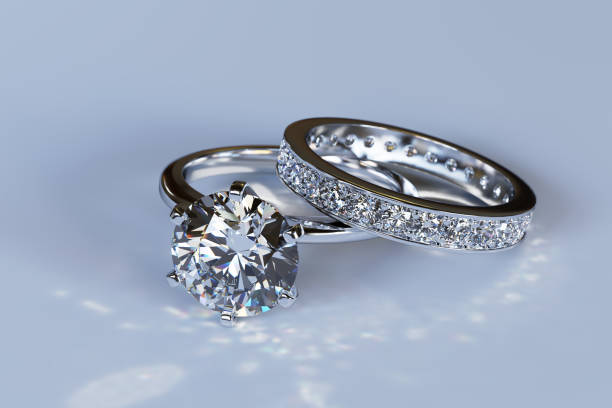
Diamond engagement ring, wedding ring on blue glossy background White gold solitaire diamond engagement ring and eternity wedding band with round brilliant cut diamonds, channel setting wedding ring jewelry stock pictures, royalty-free photos & images

When it comes to creating a piece of custom jewelry, selecting the right jeweler is one of the most important decisions you’ll make. A skilled and trustworthy jeweler can transform your vision into a stunning piece that reflects your style, story, and personality. To help you make an informed choice, here are key considerations and essential questions to ask before committing to a jeweler for your custom project.

Why Choosing the Right Jeweler Matters

  • High-quality craftsmanship that stands the test of time.
  • Ethical sourcing of materials.
  • Personalized service tailored to your preferences.
  • A collaborative process where your vision is brought to life.

Without due diligence, you risk working with someone who may not meet these standards, leading to dissatisfaction with the final product or potential issues with quality.

Key Questions to Ask Your Jeweler

  1. Look for jewelers with extensive experience in creating bespoke pieces.
  2. Ask for examples of past work or a portfolio showcasing their designs.
  3. Confirm whether they use conflict-free diamonds or responsibly sourced gemstones and metals.
  4. Request information about certifications like Kimberley Process Compliance for diamonds or Fairmined Gold standards.
  5. Understanding how they approach design will give you insight into their methods and communication style.
  6. Look for clear steps such as sketching concepts, CAD renderings, wax models, and final production phases.
  7. Ensure there’s protection against defects in craftsmanship or materials after purchase.
  8. Explore options for resizing or adjustments if needed later on.
  9. Timelines vary depending on complexity; having clarity on delivery dates is crucial if you’re planning around special occasions.
  10. A reputable jeweler should provide a detailed breakdown of costs upfront, including materials, labor, and any additional fees.

Traits to Look For in a Jeweler

  • Clear Communication: They should listen carefully to your ideas while offering professional guidance.
  • Reputation: Check online reviews or testimonials from previous clients.
  • Certifications: Jewelers who hold credentials (e.g., from GIA—Gemological Institute of America) demonstrate expertise in gemstones and design principles.
  • Transparency: Open conversations about costs and processes reflect integrity.
Feature Why It Matters What To Look For
Experience Ensures skillful execution Portfolio showcasing similar projects
Material Sourcing Aligns with ethical values Conflict-free certification
Craftsmanship Impacts durability and aesthetics Warranty/guarantee policies
Communication Builds trust during collaboration Responsive and thorough interaction

Final Thoughts

Choosing the perfect jeweler ensures that every stage of your custom design journey is seamless—from conceptualization to final delivery. Asking targeted questions allows you to gauge their skills, commitment, and approach before trusting them with this significant endeavor. Remember: finding the right partner for your project is as valuable as the masterpiece itself.

Discover the Finest Jewelry Collections with Jewelers in Orange County CA

When it comes to selecting the perfect piece of jewelry, the sheer variety of choices can feel overwhelming. However, shopping for jewelry becomes much easier when you approach it through specific lenses such as style, tradition, and elegance. By understanding what each category offers, you can make a more informed decision that aligns with your tastes and values.

Discover Wedding Rings in Orange County CA by Style

  • Classic: Timeless pieces such as solitaire diamond rings, pearl necklaces, or gold bangles that never go out of fashion.
  • Modern: Sleek designs with minimalist aesthetics featuring geometric shapes or experimental materials like mixed metals.
  • Vintage: Heirloom-inspired pieces that reflect historical eras such as Art Deco or Victorian design.
  • Bohemian: Free-spirited designs often showcasing colorful gemstones and unique patterns.

Matching your personal style to a specific category allows you to curate a collection that feels uniquely yours while complementing your wardrobe effortlessly.

Discover Stunning Engagement Rings in Orange County CA

Tradition Example Pieces Significance
Indian Kundan necklaces, jhumka earrings Traditional Indian weddings and celebrations
Celtic Claddagh rings, knot motifs Symbolizes friendship, loyalty, and love
Middle Eastern Gold filigree bracelets Embodies wealth and cultural artistry
Religious Cross pendants, Star of David necklaces Represents faith and spiritual devotion

Choosing jewelry steeped in tradition adds depth and meaning to your collection while celebrating your roots or values.

Discover Trusted Jewelry Buyers Orange County CA

  1. Platinum settings
  2. High-quality diamonds
  3. Lustrous pearls
  4. Simple stud earrings
  5. Tennis bracelets adorned with uniformly cut stones
  6. Inspect details like stone placement and finishing touches for flawless presentation.

Elegant pieces often serve as versatile staples suited equally well to formal events or everyday wear.

Finding the Best Jewelry Sellers in Orange County CA

To build a cohesive collection that stands out yet feels personal: – Mix modern styles with traditional influences (e.g., a contemporary diamond necklace paired with vintage-inspired earrings). – Select versatile statement pieces combining elegance with meaning (such as an engraved charm bracelet). – Invest in quality over quantity—prioritizing craftsmanship ensures longevity for every selection.

By shopping thoughtfully across the dimensions of style, tradition, and elegance, you’ll find jewelry that resonates with your personality while standing the test of time.

Understanding the Difference Between Lab Diamonds and Natural Diamonds for Your Next Purchase

When purchasing a diamond, one of the most important decisions you’ll face is whether to choose a lab-grown diamond or a natural diamond. Each option has its own distinct characteristics, and understanding their differences can help you make an informed decision that aligns with your values, budget, and preferences.

What Are Lab-Grown Diamonds?

Lab-grown diamonds are man-made diamonds created in a controlled laboratory environment. They have essentially the same physical, chemical, and optical properties as natural diamonds. These gems are cultivated using advanced technology that replicates the conditions under which natural diamonds form deep within the Earth over billions of years.

Key features of lab-grown diamonds include: – Chemical Composition: Identical to natural diamonds (carbon atoms arranged in a crystal lattice structure). – Appearance: Visually indistinguishable from natural diamonds without specialized equipment. – Sustainability: Typically considered more environmentally friendly due to the reduced environmental impact during production. – Cost: Generally 30-40% less expensive than natural diamonds of comparable size and quality.

What Are Natural Diamonds?

Natural diamonds are formed over billions of years under intense pressure and heat within the Earth’s mantle. They are then brought closer to the surface through volcanic activity, where they are mined.

Key features of natural diamonds include: – Rarity: Their long formation process makes them inherently rare and highly valued. – Historical Significance: Often associated with timeless beauty and tradition. – Value Retention: Natural diamonds tend to hold their resale value better than lab-grown alternatives.

Comparing Lab-Grown vs. Natural Diamonds

Feature Lab-Grown Diamonds Natural Diamonds
Formation Process Created in a laboratory Formed naturally over billions of years
Chemical Composition Pure carbon Pure carbon
Sustainability More sustainable production methods Mining can have significant environmental impact
Price Lower cost Higher cost due to rarity
Resale Value Limited Higher resale potential

Key Factors to Consider When Choosing

  1. Budget: If affordability is your primary concern, lab-grown diamonds offer similar beauty at a lower price point.
  2. Sustainability: For eco-conscious buyers looking for ethical sourcing, lab-grown options may be more appealing.
  3. Sentimental Value: Some buyers prefer the timeless allure and uniqueness of naturally formed gems.
  4. Resale Potential: If long-term value is important, natural stones may be more advantageous.

Common Questions About Lab-Grown vs. Natural Diamonds

  1. Can anyone tell if my diamond is lab-grown?
    No—lab-grown and natural diamonds are identical in appearance unless inspected by specialized gemological equipment.
  2. Do lab-created stones lose value quicker?
    Yes, because they lack rarity compared to natural stones, lab-created gems typically do not retain their resale value as well.
  3. Are lab-grown options ethically sourced?
    Yes—since they don’t require mining, they’re often considered more ethical than some mined stones.

By carefully weighing these differences and aligning them with your personal preferences and needs, you can confidently choose between a stunning lab-created or naturally formed diamond for your next jewelry purchase.

Key Questions to Ask Your Jeweler About Materials and Quality When Designing Custom Jewelry

When designing a piece of custom jewelry, choosing the right jeweler is crucial. An experienced jeweler will not only guide you through the design process but also ensure that your piece is crafted with high-quality materials and exceptional craftsmanship. Knowing which questions to ask your jeweler can make a significant difference in achieving a stunning final product while giving you confidence in your investment.

What Types of Metals Do You Offer for Custom Jewelry?

  • Gold: Available in yellow, white, and rose variations, gold comes in different purities (10K, 14K, 18K, or 22K). Discuss which purity is best for durability and aesthetic preferences.
  • Platinum: Renowned for its durability and hypoallergenic properties.
  • Silver: A more affordable yet elegant option.
  • Alternative Metals: Some jewelers offer less conventional metals like titanium or palladium.

This conversation helps you understand how each metal complements your design from both an aesthetic and practical standpoint.

Are the Gemstones You Use Ethically Sourced?

Knowing where gemstones come from is important not only for ethical reasons but also for understanding their quality. Ask if the jeweler sources gems responsibly and whether they have certifications like Kimberley Process Compliance for diamonds or fair-trade approval for colored gemstones. This ensures you are investing in materials that align with ethical practices.

Can You Explain the Differences Between Lab-Grown and Natural Diamonds?

Feature Lab-Grown Diamonds Natural Diamonds
Origin Grown in controlled labs Mined from the earth
Cost Typically more affordable Higher price point
Environmental Impact Fewer environmental effects Higher environmental impact
Visual Appearance Identical visually Unique inclusions possible

By understanding these differences, you can make an informed decision based on budget priorities and personal values.

What Guarantees or Warranties Do You Provide?

  • Warranty coverage on craftsmanship defects.
  • Policies on repairing loose stones or damaged settings.
  • Maintenance services such as cleaning or polishing.

A reliable jeweler will offer clear terms that give peace of mind about protecting your purchase over time.

How Do You Ensure Durability?

  • What types of settings do you recommend to prevent stones from loosening?
  • How do you ensure metal strength during crafting?
  • Do you perform stress testing on finished pieces?

These queries help gauge how well your custom jewelry will hold up under regular wear.

Can I See Examples of Your Past Work?

Reviewing a jeweler’s portfolio offers insight into their expertise. Look specifically at designs similar to what you’re envisioning—whether intricate details or minimalist styles—and assess their craftsmanship quality before moving forward.

When designing custom jewelry, asking key questions about materials, sourcing practices, durability measures, and warranties ensures both quality and transparency throughout the process. By collaborating closely with an experienced jeweler who values these aspects as much as aesthetics, you’ll create a timeless piece tailored uniquely to you.

Close-up of the wedding rings of the bride and groom in a box Close-up of the wedding rings of the bride and groom in a box wedding ring jewelry stock pictures, royalty-free photos & images

Key Questions to Ask Your Jeweler About Materials and Quality When Designing Custom Jewelry

When embarking on the journey to design custom jewelry, selecting the right jeweler is only part of the process. Asking the right questions about materials and craftsmanship ensures that your investment is worthwhile. This guide outlines essential questions to ask your jeweler about materials and quality, helping you navigate the process confidently.

What Types of Metals Do You Offer?

  • Gold: Inquire about karat options (e.g., 14K vs 18K) and whether they offer yellow, white, or rose gold.
  • Platinum: Check for its hypoallergenic properties and suitability for long-term wear.
  • Palladium or Titanium: Explore lightweight and durable modern alternatives.
  • Sterling Silver: Ask if this affordable option makes sense for your design.

Additionally, confirm if the metals are certified or sustainably sourced.

Are Your Gemstones Ethically Sourced?

  • Do you provide certification for gemstones (e.g., GIA or AGS grading reports)?
  • Are stones sourced through conflict-free processes?
  • Can you trace the origin of specific materials?

By ensuring transparency in sourcing practices, you can feel confident about the ethical integrity of your custom piece.

What Should I Know About Durability?

  1. How scratch-resistant is the metal I’m considering?
  2. Are there any gemstones that require special care due to their softness (e.g., opals or emeralds)?
  3. Will protective settings be used for softer stones?

A knowledgeable jeweler should guide you based on how frequently you plan to wear your jewelry.

What Quality Assurance Measures Do You Follow?

  • Do you conduct quality checks during each stage of production?
  • Is there a warranty provided for workmanship defects?
  • Can adjustments be made after completion if imperfections arise?

A jeweler with robust quality assurance policies provides peace of mind that their craftsmanship meets professional standards.

Do You Work with Recycled Materials?

For eco-conscious buyers, recycled metals can offer an environmentally friendly alternative without compromising quality. Ask if your jeweler works with recycled gold, silver, or platinum—and whether they can incorporate sentimental elements like family heirlooms into your design.

Summary Table: Questions at a Glance

Question Why It Matters
What types of metals do you offer? Helps determine durability and preference
Are gemstones ethically sourced? Ensures responsible and conflict-free practices
How durable will my design be? Prevents damage based on usage
What quality checks are in place? Guarantees professional standards
Do you use recycled materials? Encourages sustainable production methods

Asking these key questions not only protects your investment but also ensures that every detail aligns with your vision for a one-of-a-kind creation. The answers will reveal much about a jeweler’s expertise, ethics, and commitment to delivering exceptional results tailored to your needs.

Discovering the Design Process: How Your Vision Becomes a Stunning Piece of Custom Jewelry

The creation of custom jewelry is a fascinating process that takes your unique ideas and transforms them into a tangible, breathtaking piece. Partnering with a jeweler who understands your vision is essential to ensure the final product aligns with your expectations. Here’s an overview of the design process and what you can expect at each stage.

1. Initial Consultation: Transforming Ideas Into Concepts

The journey begins with an in-depth consultation between you and your jeweler. This step is crucial for understanding your preferences, style, and budget.

  • Discuss Your Vision: Share inspirations from photos, drawings, or even specific themes you’d like incorporated into the piece.
  • Understand Budget Constraints: Outline a clear budget to ensure material selection and design decisions align with what you’re comfortable spending.
  • Explore Jewelry Types: Decide whether you’re creating a ring, necklace, earrings, or bracelet.

Questions to Ask During This Step: – What materials would work best for my design idea?
– Can I incorporate heirloom pieces or gemstones into my custom jewelry?

2. Sketching and Concept Development

Once your ideas are captured, the jeweler translates them into preliminary sketches or digital renderings. This step ensures that both parties are aligned before production begins.

Key Components of This Phase: – Hand Sketches vs. CAD Designs: Some jewelers will hand-sketch designs, while others may offer sophisticated CAD (Computer-Aided Design) renderings for more accurate visuals. – Adjustments Based on Feedback: You’ll have opportunities to make changes to ensure every detail matches your vision.

Advantages of CAD Renderings: | Feature | Benefit | |—————————–|——————————| | Precise Measurements | Ensures proper fit | | 3D Visualizations | Provides realistic previews | | Easy Adjustments | Simplifies revisions |

3. Material Selection and Sourcing

Choosing the right materials is critical to creating a durable and beautiful finished piece.

  • Gemstones: Decide between lab-grown diamonds, natural diamonds, or colored gemstones like sapphires and rubies.
  • Metals: Common options include platinum, gold (yellow, white, rose), or mixed metals for a distinctive look.
  • Ethical Considerations: Many jewelers offer ethically sourced materials—something worth asking about if sustainability matters to you.

4. Crafting and Production

After finalizing the design details and selecting materials, expert artisans begin crafting your custom piece.

Steps Involved in Production: 1. Casting the metal base using molds created from your design. 2. Setting stones securely using techniques like prong settings or bezel settings. 3. Polishing and finishing touches to enhance sparkle and elegance.

Production times vary depending on complexity but typically range from 2–6 weeks.

5. Final Presentation and Adjustments

  • Inspect all details closely—stone placement, metal quality, engraving (if applicable).
  • Ensure proper sizing for rings or wearable comfort for other pieces.

Many jewelers offer complimentary adjustments within the first few weeks if needed.

Custom jewelry is more than just an accessory; it’s a reflection of personal style blended beautifully with craftsmanship. Each stage of this meticulous process works toward delivering not only an item but also a lasting memory encapsulated in precious metals and stones tailored uniquely for you.

Selling Old Jewelry Made Easy: In-Person Options and Mailing Gold for Cash

When it comes to selling old jewelry, the process can feel overwhelming. However, with the right guidance and understanding of your options, turning your unused pieces into cash can be a simple and efficient endeavor. Below, we explore two primary methods—selling in-person and mailing your gold or other precious metals—and outline key considerations for each approach.

Benefits of Selling Jewelry In-Person

  • Immediate Payment: Most in-person transactions offer instant cash or check payments after an evaluation.
  • Face-to-Face Valuation: A qualified jeweler or precious metal dealer can assess your jewelry’s value in real-time, walking you through the appraisal process.
  • Opportunity for Negotiation: You often have room to negotiate pricing based on demand or market trends.
  • Trustworthy Relationships: Local jewelers or reputable gold buyers can provide a sense of trustworthiness since they are part of your community.
Option Description
Local Jewelers Many jewelers purchase used gold, diamonds, or vintage pieces directly.
Pawn Shops A quick option for cash; however, offers may be lower due to resale margins.
Precious Metal Buyers Specialize in buying gold/silver based on weight and current market value.

Tips for Selling In-Person

  1. Research local businesses to ensure they are reputable.
  2. Request certifications from appraisers to confirm their expertise.
  3. Familiarize yourself with current gold and gemstone prices beforehand.

Mailing Gold for Cash: A Convenient Alternative

For those who prefer not to visit a store physically, mailing your jewelry offers a hassle-free way to sell from the comfort of your home. Many companies specialize in this service and provide secure processes for shipping and payment.

How It Works:
  1. Request a Mailer Kit: Reputable companies will send you an insured envelope designed specifically for shipping valuable items.
  2. Ship Your Jewelry: Securely package your items using their instructions.
  3. Receive an Offer: Once received, they evaluate your jewelry and present an offer based on weight and material quality.
  4. Accept or Decline: If satisfied with the offer, payment is processed promptly; otherwise, items are returned at no cost.
Advantages:
  • Convenience—ideal if you’re unable to visit physical locations.
  • No upfront costs as companies typically cover shipping fees.
  • Insured shipping provides peace of mind during transit.

Questions to Ask Before Mailing Gold

  1. What insurance coverage is included?
  2. How is my jewelry evaluated (e.g., by weight vs design)?
  3. What happens if I decline their offer? Are there return fees?

Comparing The Two Methods

Feature Selling In-Person Mailing Gold
Speed Immediate payment Payment takes 3–7 business days
Convenience Requires visiting local stores Done entirely from home
Insurance Not always applicable Items typically insured during transit
Pricing Transparency Can negotiate face-to-face May have limited ability to discuss valuation

Final Considerations

Whether you choose an in-person option or decide to mail your gold depends largely on personal preferences like convenience and immediacy of payment. To maximize value, always research buyers thoroughly, compare multiple offers when possible, and stay informed about current market conditions for precious metals like gold or silver.

By taking these steps and leveraging trustworthy services near you or online platforms that prioritize customer satisfaction, selling old jewelry can become a seamless way to declutter while unlocking financial value from unused possessions.


How to Find a Trustworthy Jeweler for Wedding Rings in Orange County CA

White gold wedding ring on flower background Wedding Ring, Ring, Diamond Ring, White Gold, Diamond - Gemstone, Tulip, Wedding, wedding ring jewelry stock pictures, royalty-free photos & images

Choosing the right jeweler is an essential step in purchasing fine jewelry. Whether you’re shopping for a special occasion or simply treating yourself, finding a jeweler you can trust ensures that your investment is worthwhile. Below are key aspects to consider when selecting a trustworthy jeweler.

Key Qualities of a Trustworthy Jeweler

  1. Look for jewelers with a long-standing presence in the industry. Longevity often indicates reliability and expertise.
  2. Check online reviews, testimonials, and ratings from previous customers to gauge their reputation. A jeweler with consistently positive feedback is likely to be trustworthy.
  3. Verify if the jeweler holds certifications from reputable organizations like the Gemological Institute of America (GIA) or the American Gem Society (AGS). These credentials indicate adherence to industry standards.
  4. Ask if their staff includes certified gemologists who can provide reliable guidance on gemstones and diamonds.
  5. A trustworthy jeweler should be upfront about pricing, material quality, and manufacturing processes.
  6. Ensure they provide detailed documentation such as diamond grading reports or certificates of authenticity for your purchase.
  7. Look for clear return policies and warranties that protect your investment.
  8. Evaluate how well the staff communicates with you during your visit or consultation.
  9. Reliable jewelers are attentive, patient, and willing to answer all your questions without pressuring you into making a decision.

Things to Look for When Visiting a Jewelry Store

Criteria What to Observe
Cleanliness & Organization A professional store will have an organized display with clean showcases
Product Selection Diverse options for various styles, metals, gemstones, and price points
Knowledgeable Staff Staff should offer insightful advice regarding materials, cuts, or designs
Tools & Technology The presence of loupe tools or gem-testing equipment indicates professionalism

If shopping online, ensure the website has high-quality images/videos of each piece along with detailed descriptions.

Red Flags That Indicate an Untrustworthy Jeweler

  • Lack of Credentials: Jewelers who cannot show professional certifications or credible partnerships may not meet industry standards.
  • Vague Policies: Avoid businesses that fail to provide clear warranties or return/exchange policies.
  • Pushy Sales Tactics: If a jeweler pressures you into making decisions quickly without giving proper information, proceed cautiously.

Building Trust Over Time

A great relationship with your jeweler doesn’t end after one purchase. Frequent clients often receive personalized recommendations based on their preferences over time. To build trust:
– Visit locally-owned stores known for fostering community relationships. – Work with jewelers who emphasize ethical sourcing practices when it comes to materials like diamonds and gold.

By taking these steps seriously before committing to any purchase, you can ensure that your experience is both satisfying and secure while building confidence in your chosen jeweler’s integrity.

Discover Unique Gift Ideas for Her from Jewelers Orange County CA

Choosing the perfect piece of jewelry for her can feel like a daunting task, but with thoughtful consideration and an eye for detail, you’re sure to find a gift she will cherish. Whether you’re shopping for a significant other, a family member, or a close friend, jewelry offers an opportunity to express emotion and create lasting memories. Below are some unique jewelry gift ideas tailored to her tastes and preferences.

Birthstone Engagement Rings in Orange County CA

Birthstone jewelry is a meaningful and personal gift that highlights her birth month while adding color to her collection.

  • Necklaces: A pendant featuring her birthstone offers elegance and simplicity.
  • Rings: A delicate ring embedded with her birthstone adds a touch of personalization.
  • Earrings: Studs or drop earrings featuring gemstones offer versatility for everyday wear.
Birth Month Birthstone Color
January Garnet Deep Red
February Amethyst Purple
March Aquamarine Light Blue
April Diamond Clear/White

Personalized Engraved Pieces for Jewelry Buyers in Orange County CA

Customized pieces allow you to add sentimental touches that make the gift truly unique.

  • Bracelets: Add engraved initials, dates, or meaningful phrases on cuffs or chain bracelets.
  • Lockets: Include photos or romantic messages inside classic locket pendants.
  • Bar Necklaces: Inscribe names, coordinates of significant places, or personal mantras.

Timeless Classics for Jewelry Sellers in Orange County CA

For women who appreciate classic elegance, consider timeless designs that never go out of style.

  • Pearls: Pearl necklaces or stud earrings exude sophistication and grace.
  • Diamond Stud Earrings: A simple yet stunning addition to any wardrobe.
  • Tennis Bracelets: Dainty yet dazzling bracelet options suitable for both casual and formal occasions.

Trendy Statement Pieces

  • Oversized hoop earrings with unique textures.
  • Chunky gold chains that add flair to any outfit.
  • Vibrant enamel rings in bold colors.

Nature-Inspired Designs

  • Flower-shaped pendants adorned with gemstones.
  • Leaf-motif earrings in gold or silver finishes.
  • Bracelets featuring animal charms like butterflies, birds, or bees.

Tips for Choosing the Right Piece

  1. Does she prefer gold over silver? Minimalist designs over bold pieces?
  2. Opt for durable materials if she leads an active lifestyle.
  3. Beautiful options exist at every price point—determine what works best within your budget without compromising on quality.

Giving thoughtful attention to her personality and preferences will increase the emotional impact of your gift while ensuring it remains memorable. Let the piece you choose reflect your appreciation for her individuality and style.

Special Jewelry Gift Ideas for Him: Timeless and Classic Options

When selecting jewelry for men, it’s essential to strike the perfect balance between style, function, and personality. Jewelry gifts can range from subtle and classic pieces that suit everyday wear to bold, statement-making items that showcase individuality. Below are some timeless and thoughtful jewelry gift ideas for him.

Timeless Jewelry Options for Him

  • Watches
    A watch is a quintessential gift that combines practicality with elegance. Opt for:
  • A sleek stainless-steel watch for a modern look
  • Leather strap watches with minimalist dials for a vintage aesthetic
  • Chronograph watches for functionality paired with style
  • Cufflinks
    Cufflinks are a small but impactful accessory often worn on formal occasions. Consider:
  • Classic silver or gold cufflinks with subtle detailing
  • Monogrammed cufflinks to add a personal touch
  • Novelty designs showcasing hobbies or interests (e.g., sports-themed or hobby-related)
  • Chains and Necklaces
    Chains can be worn alone or paired with pendants, making them versatile pieces of jewelry. Styles to consider include:
  • Simple box chains or rope chains in gold or silver
  • Dog tag-style pendants engraved with initials or meaningful dates
  • Leather necklaces with metal accents for a more casual yet stylish look

Statement Jewelry Pieces

  • Signet Rings
    Signet rings are steeped in tradition and carry an air of sophistication. Look for:
  • Sleek gold signet rings with minimal engraving
  • Family crest or symbol engravings offering deeper meaning
  • Bracelets
    Bracelets can be layered or worn individually depending on personal taste. Great options are:
  • Leather bracelets with stainless steel accents
  • Stainless steel chain link bracelets offering durability and masculinity
  • Beaded bracelets featuring natural stones like onyx, tiger’s eye, or hematite

Customization Ideas

Type of Jewelry Customization Idea Material Options Suitable For
Bracelets Engrave initials/date inside the clasp Gold, silver, leather Casual & formal occasions
Watches Add an engraved message on the backplate Stainless steel Daily wear
Rings Include custom engravings like monograms Gold, platinum Milestone celebrations

Choosing Based on Personality and Lifestyle

  1. Minimalist Style: Opt for clean lines, neutral metals like silver or white gold, simple designs without excessive adornments.
  2. Adventurous Spirit: Go for rugged materials such as leather combined with durable metals like titanium or stainless steel.
  3. Fashion-forward Taste: Bold statement rings, layered necklaces, or chunky chain-style bracelets can be ideal choices.
  4. Professional Setting: Stick to understated yet refined pieces like premium wristwatches or classic cufflinks appropriate for workwear.

Jewelry gifts offer timeless appeal when chosen thoughtfully—whether it’s an accessory he can wear daily or reserve for special occasions

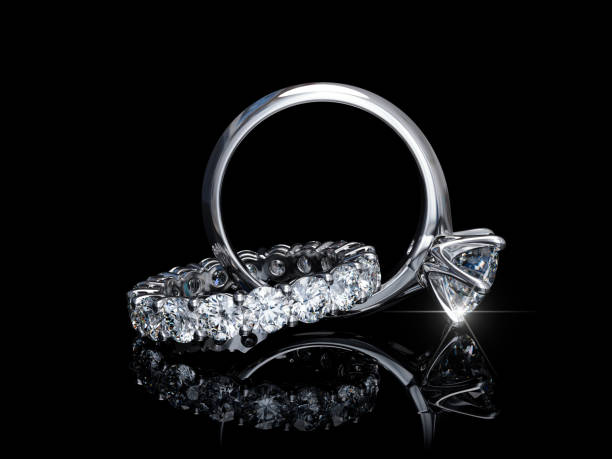
Interwoven diamond engagement ring, wedding ring on black background White gold solitaire diamond engagement ring and eternity wedding band with round brilliant cut diamonds, shared prong setting wedding ring jewelry stock pictures, royalty-free photos & images

Perfect Jewelry Gifts for Mom to Celebrate Her Style

When it comes to expressing love and gratitude for mom, few gifts can rival the timeless elegance of jewelry. Jewelry has the ability to capture emotions and serve as a lasting keepsake that celebrates her unique personality and style. If you’re considering buying the perfect piece for your mother, here are some thoughtful suggestions to help you choose a gift she’ll cherish forever.

1. Classic Jewelry Pieces Every Mom Will Appreciate

Some styles stand the test of time, making them ideal choices for moms who enjoy versatile pieces that complement any outfit:
Pearl Earrings or Necklaces: A symbol of classic sophistication, pearl jewelry is perfect for formal occasions or everyday elegance.
Gold or Silver Bangles: Sleek, stackable bangles are both timeless and trendy. Opt for plain designs or subtle embellishments like diamonds or engravings.
Diamond Stud Earrings: Simple yet luxurious, diamond studs are a must-have staple in any jewelry collection.

2. Personalized Jewelry That Tells Her Story

Personalized pieces add sentimental value by reflecting her unique journey as a mother:
Engraved Name Necklaces: Include the names of her children or grandchildren on a delicate pendant necklace. – Birthstone Rings: Choose rings adorned with the birthstones of each family member for a personal touch.
Custom Charm Bracelets: Each charm can symbolize an important moment in her life, serving as a wearable memory.

3. Trendy Options for Moms Who Love to Stay Stylish

For moms who keep up with current fashion trends, consider these modern jewelry options that highlight her contemporary style: – Layered Necklaces: Dainty chains in mixed metals offer versatility and on-trend appeal. – Hoop Earrings with Gem Accents: Updated versions of classic hoops that feature colorful gemstones or unique textures. – Statement Rings: Bold designs featuring oversized gemstones or geometric shapes can make an eye-catching addition to her wardrobe.

4. Sentimental Jewelry for Special Occasions

If you’d like to communicate heartfelt emotions through your gift, consider selecting something symbolic: | Style | Meaning | Recommended Piece | |————————|——————————————|———————————-| | Heart-shaped jewelry | Represents love and care | Diamond heart pendant necklace | | Infinity symbols | Symbolizes eternal connection | Gold infinity bracelet | | Family tree designs | Honors family roots and connections | Pendant engraved with family tree motif |

5. Tips on Selecting the Right Gift

To ensure your mom adores her gift, keep these factors in mind during your search: – Pay attention to her current style preferences (e.g., minimalistic vs bold). – Take note of metal choices she wears frequently (gold vs silver). – Consider lifestyle practicality—delicate pieces may be better suited if she prefers lightweight jewelry.

A carefully chosen piece of jewelry doesn’t just accessorize; it holds meaning and reflects thoughtfulness. By taking into account your mom’s tastes and preferences, you’re sure to find something she’ll wear proudly while thinking fondly about you every time she does so.

Should You Shop for Jewelry Online or In-Store? A Comprehensive Guide

When it comes to buying jewelry, one of the biggest decisions you’ll face is whether to shop online or in-store. Both options have their advantages and drawbacks, making it essential to weigh your choices carefully based on your needs, preferences, and circumstances. Here’s a comprehensive guide to help you decide.

Benefits of Shopping for Jewelry Online

  • Shop anytime, anywhere without leaving your home.
  • Save time by browsing numerous collections quickly.
  • Access a vast array of styles, designs, and price points not limited by physical store inventory.
  • Explore options from international jewelers with ease.
  • Compare prices across different websites to find the best deal.
  • Often includes discounts or promotions that may not be available in-store.
  • Many online retailers allow you to personalize pieces with engraving or custom designs through easy-to-use tools.
Pros of Online Shopping Notes
Convenience Shop on your timeline and explore at your own pace.
Broader Selection Access collections worldwide.
Competitive Pricing Easier to find deals and discounts.

Drawbacks of Shopping for Jewelry Online

  • You can’t physically inspect or try on items before purchase.
  • Counterfeit products or low-quality gems may be more prevalent on certain platforms lacking credibility.
  • Return policies can vary, and shipping costs might add up if items need to be exchanged.

Benefits of Shopping for Jewelry In-Store

  • See the product in person and evaluate quality up close (e.g., clarity, color, cut).
  • Try on pieces to ensure they match your preferences.
  • Receive immediate advice from trained jewelers who can answer questions about gemstones, metals, or craftsmanship.
  • Established brick-and-mortar stores often come with reviews from local customers and transparent practices.

Drawbacks of Shopping In-Store

  • Limited operating hours compared to online platforms.
  • Smaller inventory selection due to space constraints.
  • Potentially higher prices due to overhead expenses like rent and staffing.

Key Factors When Deciding Between Online vs. In-Store

  1. Determine Your Priorities: Is convenience more important than being able to see items in person? Decide what matters most to you when purchasing jewelry.
  2. Set a Budget: Compare prices online and offline while accounting for extras like shipping fees (online) or retail markups (in-store).
  3. Research Retailers: Ensure trustworthiness by reading reviews whether online retailers or physical stores.
  4. Check Return Policies: Go through exchange/return conditions carefully before making any purchase decision.

Ultimately both avenues offer value depending upon circumstances—balancing personal interaction versus modern digital efficiency ensures satisfaction tailored context .

Should You Shop for Jewelry Online or In-Store? A Comprehensive Guide

When it comes to purchasing jewelry, deciding whether to shop online or in a physical store can be challenging. Each option has its own set of benefits and drawbacks, depending on your preferences, budget, and the type of jewelry you are looking for. Below is a detailed guide to help you navigate this decision.

Benefits of Shopping for Jewelry Online

  • Wide Selection: Online stores often offer extensive collections that may not be available in brick-and-mortar locations.
  • Convenience: You can browse anytime without worrying about store hours.
  • Price Comparison: It’s easier to compare prices across different websites to find the best deal.
  • Customer Reviews: Many online platforms include reviews from previous buyers, which can give you a better understanding of the quality and service provided.
  • Customization Options: Some online jewelers allow you to create custom pieces using virtual design tools.

Drawbacks of Shopping Online

  • Lack of Physical Inspection: You cannot see or feel the jewelry before buying, which makes assessing quality more difficult.
  • Risk of Fraud: There’s always a chance of encountering counterfeit products or disreputable sellers if you’re not careful.
  • Return Policies: Returning items can sometimes be cumbersome due to shipping requirements and restocking fees.

Advantages of Shopping In-Store

  • Hands-On Inspection: You can closely examine the piece’s craftsmanship, clarity, and quality before making a purchase.
  • Personalized Advice: Experienced sales associates are often available to guide you through your options based on style preferences and budget.
  • Immediate Gratification: Walk out with your purchase right away without having to wait for shipping times.
  • Trust Factor: Interacting with staff face-to-face helps build trust and confidence in your purchase.

Drawbacks of Shopping In-Store

  1. Prices may be higher due to overhead costs like rent and staffing.
  2. The selection might be limited compared to larger online inventories.
  3. Visiting multiple stores for comparison shopping is time-consuming.

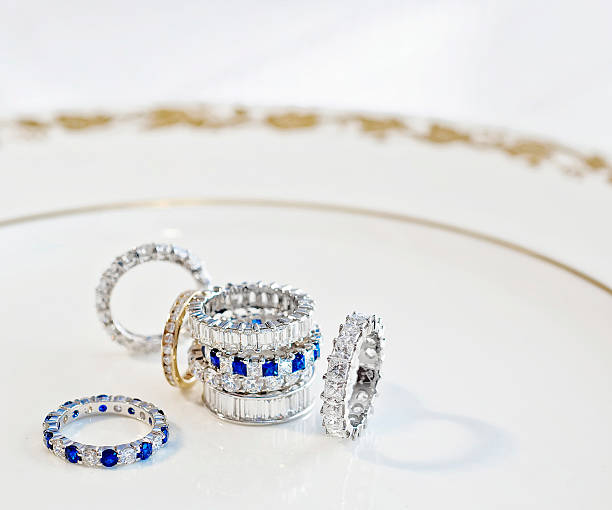
Eat your heart out. Diamond rings on a plate. wedding ring jewelry stock pictures, royalty-free photos & images

Key Considerations When Deciding Between Online vs. In-Store

Factor Online Shopping In-store Shopping
Convenience Purchase anytime from anywhere Requires visiting during business hours
Selection Extensive variety available worldwide Limited by store inventory
Risk Potential fraud or counterfeit products Lower risk with trusted jewelers
Quality Assessment Relies on photos/descriptions Hands-on evaluation possible
Price Often lower due to reduced overhead Typically higher prices

Tips for Making Your Decision

  1. Set a clear budget ahead of time so that pricing discrepancies don’t overshadow other considerations like quality or design preference.
  2. Look for certifications such as GIA (Gemological Institute of America) reports when purchasing gemstones or diamonds.
  3. Ensure secure payment methods are available on the website.
  4. Check return policies carefully before committing.
  5. Visit multiple jewelers to compare styles, prices, and customer service experiences.
  6. Ask questions about warranties and aftercare services.

Both options provide unique advantages depending on what you’re looking for in terms of convenience, selection, trustworthiness, and price point. Carefully weigh these factors based on your specific needs before deciding where to shop for that perfect piece of jewelry.

What Makes a Jeweler Trustworthy: Key Qualities and Credentials to Consider

Selecting the right jeweler is a crucial step when purchasing fine jewelry. Trustworthiness is a key factor that ensures you’re making an informed decision and receiving genuine value for your investment. Below are the key qualities and credentials to look for when evaluating whether a jeweler is trustworthy.

Credentials and Certifications

A trustworthy jeweler often holds specific certifications or belongs to professional organizations that uphold industry standards. Look for the following credentials:
Gemological Institute of America (GIA): Jewelers certified by GIA have received training in identifying, grading, and valuing gemstones accurately.
American Gem Society (AGS): Members of AGS adhere to strict ethical practices and are trained in gemology.
Jewelers of America (JA): Membership in this organization reflects a commitment to professional integrity and ongoing education in the field.

These certifications demonstrate that the jeweler has completed rigorous training and adheres to high industry standards.

Transparency and Honesty

Trustworthy jewelers provide clear communication about their products, pricing, and sourcing processes. Here’s how transparency manifests:
Detailed Product Information: The jeweler should provide information about carat weight, metal purity, origin of gemstones, certification documents, and return policies.
Clear Pricing: Avoid jewelers who use vague or misleading pricing tactics; a reliable jeweler will break down costs transparently without hidden fees.

If a jeweler hesitates to provide details or appears evasive about product specifics, it may be best to look elsewhere.

Reputation and Reviews

The reputation of a jeweler can reveal much about their trustworthiness. To evaluate this:
Check Online Reviews: Browse platforms like Google Reviews or Yelp for feedback from previous customers regarding quality and customer service experiences. – Look for Word-of-Mouth Recommendations: A referral from someone you know personally can be invaluable when searching for reputable jewelers. – Longevity in Business: Jewelers with years or decades of experience tend to have established trust within the community.

Ethical Sourcing Practices

Consumers today expect businesses to align with sustainable practices, especially when it comes to fine jewelry. Pay attention to these factors:
Conflict-Free Diamonds: Ask if diamonds meet the standards of the Kimberley Process Certification Scheme (KPCS), ensuring they are responsibly mined. – Fair Trade Metals: Jewelers committed to ethical sourcing often work with suppliers who follow environmentally friendly methods. – Recycled Materials Usage: Some jewelers integrate recycled gold or silver into their designs as part of sustainable business practices.

Ethical sourcing reflects not only good business practice but also demonstrates social responsibility.

Personalized Customer Service

A trustworthy jeweler will take time to understand your needs rather than pressuring you into making quick decisions. Look for services such as: – Thorough consultations regarding jewelry style preferences – Proper guidance on gemstone selection – Flexibility with custom designs tailored uniquely for you

Table: Quick Checklist for Assessing Trustworthiness

Key Area What to Look For
Credentials GIA/AGS-certified professionals
Transparency Clear pricing; detailed product info
Reputation Positive reviews; longevity in business
Ethical Practices Conflict-free diamonds; fair trade
Customer Service Personalized attention & consultation

By focusing on these qualities, you can confidently choose a jeweler who meets both ethical standards and professional expertise while providing value for your purchase decisions.

Finding the Best Jewelry Store Orange County CA: Personalized Service and Ethical Sourcing

When it comes to investing in fine jewelry, selecting the right jeweler is critical. Beyond craftsmanship and design, two key factors that set outstanding jewelers apart are personalized customer service and ethical sourcing. Here’s why these elements matter and what to look for when choosing your jeweler.

The Importance of Personalized Customer Service

  • Understanding Your Preferences: A skilled jeweler takes the time to understand your style preferences, budget, and any specific requirements you may have.
  • Guidance Without Pressure: They should educate you about different gemstones, metals, or designs while allowing you the freedom to make informed decisions without feeling pressured.
  • Custom Design Options: For those seeking something unique, a great jeweler will collaborate with you on custom designs to create a piece that reflects your personality or special occasion.
  • Repairs and Maintenance Services: Look for jewelers who offer long-term care solutions such as cleaning services, resizing, or repairs for your pieces after purchase.

Ethical Sourcing: A Hallmark of Integrity

Ethical sourcing has become increasingly important as consumers demand transparency about where their jewelry materials come from. Supporting ethical practices not only ensures high-quality products but also reflects socially responsible values.

  1. Conflict-Free Gemstones: Ensure that diamonds or other gemstones are conflict-free (e.g., compliant with the Kimberley Process). Conflict-free gems guarantee they were not mined in war zones or tied to unethical labor practices.
  2. Fair Labor Practices: Verify that workers involved in mining or production were treated fairly and compensated adequately for their labor.
  3. Responsible Gold Mining: Check whether the gold used adheres to environmental standards by avoiding toxic chemicals like cyanide during extraction processes.
  4. Recycled Metals: Some jewelers use recycled metals in their pieces as an eco-friendly alternative while maintaining quality standards.
Aspect Benefits
Conflict-Free Gems Supports sustainable mining & avoids funding conflicts
Fair Labor Practices Promotes human rights & fair wages
Responsible Mining Reduces environmental impact
Recycled Metals Minimizes waste & promotes sustainability

Questions to Ask Your Jeweler

  • Can you share details about where your gemstones are sourced?
  • Do you adhere to any certifications such as Fairtrade Gold or Kimberley Process compliance?
  • What kind of customization options do you offer?
  • Do you provide after-sales services like cleaning or repairs?
  • How do you ensure that my preferences remain central throughout the process?

Choosing a jeweler who excels in personalized service while committing to ethical practices empowers customers with confidence in their purchases—not just in terms of aesthetics but also moral responsibility. By prioritizing these factors, you’ll find not only beautiful jewelry but also peace of mind knowing you’ve made a thoughtful decision.


Essential Questions to Ask Before Buying Jewelry from a Jewelry Store in Orange County CA

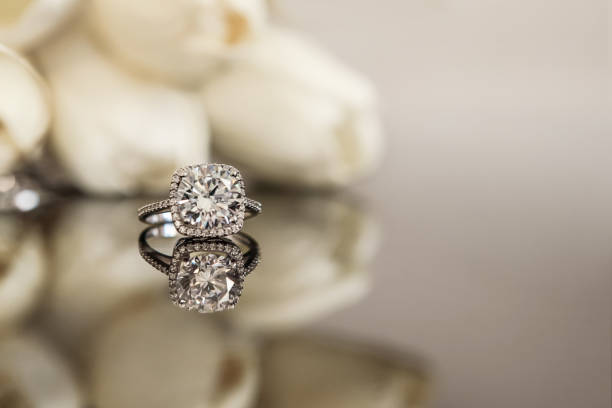
Diamond ring on a reflective surface Diamond engagement ring. wedding ring jewelry stock pictures, royalty-free photos & images

What Materials Are Used in Jewelry?

Understanding the materials used in a piece of jewelry can help determine its quality and value. Questions to ask include:
– Is the metal solid or plated?
– What type of gemstones are included (natural, synthetic, or imitation)?
– Are there any alloys added, and if so, what are they?

Understanding whether the piece is made of gold, silver, platinum, or another material will provide insight into its durability and maintenance needs.

Is the Jewelry Certified?

Certification ensures that you’re purchasing authentic and high-quality pieces. Ask your jeweler:
– Does this piece come with certification from reputable organizations such as GIA (Gemological Institute of America) or AGS (American Gem Society)?
– Are there documents verifying the authenticity of gemstones or diamonds?

Having certification not only validates your purchase but also provides essential information about carat weight, clarity, color grading, and more.

What Maintenance is Required?

Before buying jewelry, it’s important to understand how to care for it properly. Consider asking these questions:
– Does this piece require regular polishing or cleaning?
– Are there any specific cleaning solutions recommended for this material?
– Can I bring this piece back for professional cleaning at your store?

Some materials may tarnish over time or require special care to maintain their appearance. Knowing what is required will help extend the life of your jewelry.

What Return and Warranty Policies Do You Offer?

Every reputable jeweler should have clear policies regarding returns and warranties:
– Is there a return policy if I change my mind after purchasing the item?
– How long does the warranty last, and what does it cover (repairs, resizing)?

Make sure you understand these policies before committing to purchase so you’re protected in case of unforeseen issues.

Can I Customize My Jewelry?

Customization adds a personal touch to any jewelry piece. If customization is important to you:
– Ask if they offer resizing services for rings or bracelets. – Inquire about engraving options. – Check whether they create custom designs based on personal preferences.

Customization options can make your purchase more unique while ensuring it aligns perfectly with your tastes.

Question Topic Examples of Questions
Material & Quality “What metal is this made from?” / “Are these gemstones natural?”
Certification “Is certification included with my purchase?” / “Which lab graded this diamond?”
Maintenance “How do I clean this?” / “Does gold-plating wear off over time?”
Return/Warranty Policies “What happens if I need repairs?” / “Can I return this item after 30 days?”
Customization Options “Do you offer engraving services?” / “Can I adjust the size later on if needed?”

Summary Tips Before Purchase

By asking these questions upfront: 1. You clarify exactly what you’re purchasing. 2. You protect yourself against potential buyer’s remorse. 3. You ensure long-term satisfaction with your investment.

Always approach buying jewelry as an informed customer—your diligence will pay off in both quality and peace of mind when making such an important decision.

Understanding Jewelry Purity and Materials with Jewelers Orange County CA

When purchasing jewelry, understanding its purity and material is essential to ensure you’re making an informed investment. Jewelry is crafted from a variety of materials, each with different properties, values, and care requirements. By asking the right questions and knowing what to look for, you can select pieces that best suit your tastes, needs, and budget.

Popular Materials Used in Wedding Rings Orange County CA

  • Measured in karats (K), gold purity ranges from 10K to 24K.
  • Higher karat gold (e.g., 22K or 24K) contains more pure gold but may be softer and less durable.
  • Gold is often alloyed with metals like copper or silver to create colors like white gold, rose gold, or yellow gold.
  • Known for its durability and natural white sheen.
  • Heavier than gold and highly resistant to tarnish.
  • Ideal for settings that hold precious stones due to its strength.
  • Composed of 92.5% silver mixed with other metals like copper.
  • More affordable than gold or platinum but prone to tarnishing without proper care.
  • Natural gemstones like diamonds, rubies, sapphires, and emeralds are popular choices.
  • Semi-precious stones include amethyst, citrine, topaz, etc., offering vibrant color at a lower cost.
  • Stainless steel, titanium, tungsten carbide: Often used in modern designs for durability and affordability.
  • Pearl: Organic material cultivated in freshwater or saltwater environments.

Exploring Metal Purity for Engagement Rings Orange County CA

Metal Purity Measure Key Characteristics
Gold Karats (10K–24K) Higher karats mean more pure gold but can be softer.
Silver .925 Sterling Standard Indicates the presence of at least 92.5% pure silver.
Platinum Usually >=95% Pure Platinum Denser than other metals; long-lasting finish.

Look for hallmarks on jewelry pieces as they indicate metal composition (e.g., “750” for 18K gold).

Discover Why Purity Matters to Jewelry Buyers Orange County CA

  1. Durability: Metals with higher purity may be softer and more susceptible to scratching or bending during everyday wear.
  2. Value: Higher-purity metals generally have higher resale value due to their increased precious metal content.
  3. Skin Sensitivity: Alloys containing nickel may irritate sensitive skin; hypoallergenic options include platinum or high-karat gold.

Important Questions Jewelry Sellers Orange County CA Should Answer About Material

  • What is the purity level of this material?
  • Is it hypoallergenic?
  • Will this material tarnish over time?
  • How should I clean and maintain it?
  • Are there alternative materials available within my budget?

By gaining clarity on these aspects, you’ll feel confident about selecting high-quality jewelry that fits your lifestyle while standing the test of time.

The Role of Certification in Ensuring Quality and Authenticity in Jewelry

When purchasing jewelry, certification plays a crucial role in ensuring that the piece you are investing in meets quality and authenticity standards. Certifications provide detailed information about the materials, craftsmanship, and value of a jewelry item. As a buyer, understanding certification is essential for making an informed decision and protecting your investment.

Diamond Ring on Glass Table Wedding Ring, diamond ring, bokeh, black and white, wedding ring jewelry stock pictures, royalty-free photos & images

Why is Certification Important?

Certification provides assurance that:
– The materials used (such as gold, silver, or platinum) meet the stated purity levels.
– Gemstones, such as diamonds or sapphires, are authentic and not synthetic imitations.
– The piece has been evaluated by an expert trained to assess its quality and value.

Without proper certification, it becomes challenging to confirm whether the jewelry is genuine or if it has been misrepresented.

Types of Certifications

  1. Issued by organizations like the Gemological Institute of America (GIA), American Gem Society (AGS), or International Gemological Institute (IGI).
  2. Includes details about cut, clarity, carat weight, and color.
  3. Confirms the purity level of metals such as gold (e.g., 18K or 24K), silver (.925 sterling silver), or platinum.
  4. Hallmarks like “750” for 18K gold verify authenticity.
  5. Documents whether gemstones are natural or lab-grown.
  6. May include origin details for certain gems like emeralds or rubies.

Key Elements Found in Certifications

Element Description
Material Purity States the karat value for gold or percentage purity for other metals
Gemstone Grading Details on color, clarity, cut grade, and carat weight
Serial Number/ID A unique identifier to track the certified item
Certifying Authority Name/logo of the organization issuing the certificate
Additional Notes Information on treatments applied to gemstones or manufacturing techniques

Questions to Ask About Jewelry Certification

Before finalizing your purchase, ask these essential questions:
– Which organization issued this certificate? Is it internationally recognized?
– Does this certificate cover all aspects of quality—metals and gemstones?
– Are there additional documents proving provenance or ethical sourcing?

Benefits of Buying Certified Jewelry

Purchasing certified jewelry comes with several advantages:
1. Long-Term Value: Certified pieces tend to retain better resale value due to proven authenticity.
2. Trustworthiness: Buyers have confidence knowing they aren’t being misled about quality. 3. Insurance Coverage: Many insurers require documented appraisals supported by certifications before covering high-value items.

By ensuring that your next jewelry purchase is supported by proper certification from reputable organizations, you can enjoy both peace of mind and long-term satisfaction with your investment decisions while safeguarding against potential risks associated with counterfeit products.

Exploring the Art Behind Jewelry Craftsmanship and Design Inspiration

Jewelry is more than just an accessory; it is a reflection of artistry, skill, and cultural significance. Behind every piece lies a meticulous process of craftsmanship and a story that often draws from centuries of tradition. Understanding the art behind jewelry craftsmanship and design inspiration allows you to appreciate its value beyond its monetary worth.

The Jewelry Crafting Process

  1. Sketching initial concepts based on customer preferences or creative vision.
  2. Using computer-aided design (CAD) software to create precise 3D models.
  3. Choosing metals (gold, silver, platinum) based on durability, style preferences, and budget.
  4. Incorporating gemstones such as diamonds, sapphires, or emeralds for added brilliance.
  5. Developing wax or metal prototypes to visualize the final design.
  6. Casting: Pouring molten metal into molds to form basic shapes.
  7. Handcrafting: Shaping materials manually for intricate designs.
  8. Stone Setting: Securing gemstones into the metal with precision.
  9. Buffing surfaces for shine and smoothness.
  10. Adding unique finishes like matte, satin, or high gloss.

Sources of Design Inspiration

  • Nature: Floral motifs, flowing lines resembling water, or textures inspired by tree bark bring organic elements into designs.
  • Cultures and History: Ancient symbols such as Celtic knots or Egyptian hieroglyphics add historical depth to modern pieces.
  • Architecture: Bold geometric patterns echo iconic architectural structures like domes or arches.
  • Personal Stories: Custom designs often reflect individual milestones like anniversaries or other cherished memories.

Balancing Artistry with Functionality

Aspect Artistic Consideration Functional Requirement
Material Selection Enhancing beauty with metals/gemstones Ensuring durability for daily wear
Design Complexity Intricate patterns that tell a story Comfortable wearability
Size & Proportion Creating visually stunning shapes Maintaining balance for practical use

The Unique Signature of Handmade vs. Machine-Made Jewelry

Handcrafted jewelry demonstrates individuality due to the subtle imperfections left by artisans—each piece is truly one-of-a-kind. On the other hand: – Machine-made jewelry offers uniformity in design along with faster production timelines. – Both methods have their appeal depending on customer priorities like exclusivity versus affordability.

Why Craftsmanship Matters

Investing in well-crafted jewelry ensures: – Longevity: High-quality pieces stand the test of time with proper care. – Emotional Value: Artisan-crafted items often carry sentimental worth due to their distinctiveness.

When you admire a piece of jewelry next time, recognize it as not just an accessory but also as a testament to creativity and dedication woven together through skillful hands over hours—or even weeks—of effort. This understanding amplifies your appreciation for its true artistry while guiding informed purchasing decisions tailored to your personal style preferences.

A Comprehensive Look at Popular Types of Jewelry: Earrings, Rings, Necklaces, and More

Jewelry has captivated individuals for centuries, with each piece carrying its own symbolism, style, and purpose. From timeless classics to modern innovations, understanding the diversity of jewelry types can help you make informed choices for personal use or gifting. Below is a detailed exploration of some of the most popular types of jewelry.

Earrings: Framing Your Face with Style

  • Studs: Minimalist and elegant, studs sit directly on the earlobe and are ideal for daily wear.
  • Hoops: Circular or semi-circular in design, hoops range from small and subtle to large statement pieces.
  • Drop Earrings: Featuring a design element that dangles below the earlobe, these add an extra touch of sophistication.
  • Chandeliers: Intricate designs that cascade like a chandelier; perfect for formal events.

When choosing earrings, consider factors such as comfort (especially for extended wear), material type (gold, silver, platinum), and whether the design complements your face shape.

Rings: Timeless Symbols of Commitment and Style

  • Engagement Rings: Typically feature a central gemstone like a diamond or sapphire set on gold or platinum bands.
  • Wedding Bands: Simple yet meaningful bands often made from precious metals with or without embellishments.
  • Cocktail Rings: Bold designs featuring large gemstones; these are statement pieces meant to draw attention.
  • Stackable Rings: Thin bands designed to be worn together in customizable combinations.

When selecting rings, ensure proper sizing while considering factors such as durability (especially if worn daily) and stone setting security.

Necklaces: Enhancing Elegance

Necklace Type Description Best Suited For
Pendant Necklaces Feature a single decorative element Everyday wear
Chokers Snugly fit around the neck Formal events
Statement Necklaces Bold designs meant to stand out Special occasions
Layered Necklaces Multiple strands worn together Casual chic looks

Materials such as gold, silver, pearls, or gemstones can significantly influence both the necklace’s appearance and price.

Bracelets and Bangles: Versatile Accessories

While not mentioned in the header directly alongside earrings or necklaces, bracelets deserve recognition for their charm. From delicate chain bracelets adorned with charms to rigid bangles crafted from metal or wood—these versatile accessories allow personalization through layering.

Factors to Consider When Choosing Jewelry

Regardless of type—be it earrings, rings, necklaces—keep these considerations in mind: – Material Composition: Gold purity (karats), metal allergies (nickel-free options), gemstone authenticity. – Occasion: Formal events may call for sophisticated designs; casual settings offer more flexibility. – Personal Style Preferences: Select pieces that resonate with your individuality while complementing wardrobe choices.

By exploring popular types of jewelry thoughtfully before purchasing them ensures lasting satisfaction both aesthetically & functionally across varied scenarios throughout life moments & milestones alike.